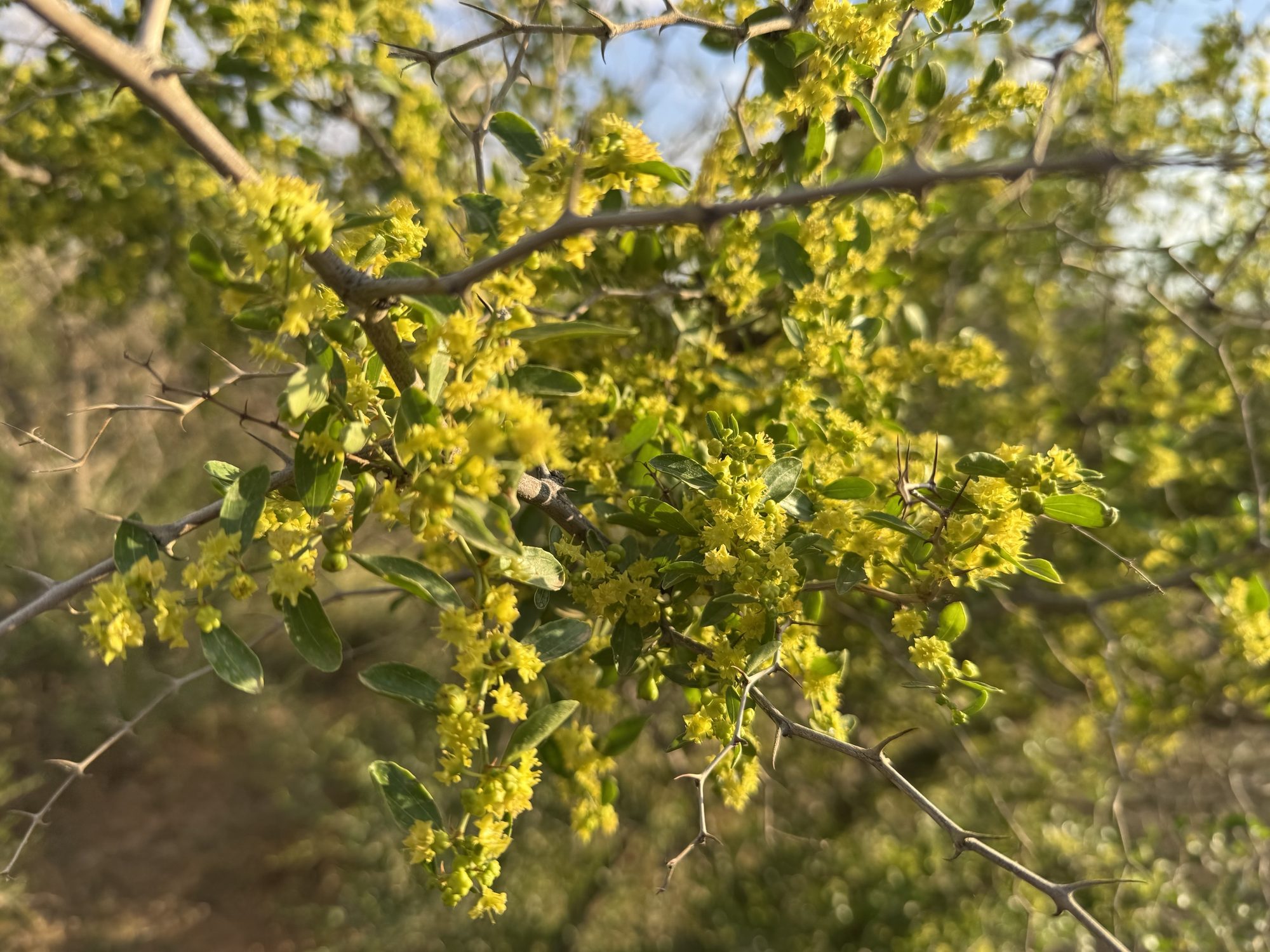
A honey that almostnobody can verify.
Between sixty and eighty per cent of the sidr sold outside its country of origin is not sidr. Nothing in the trade is set up to tell the difference.
01 / What it is
Ziziphus, and nothing else.
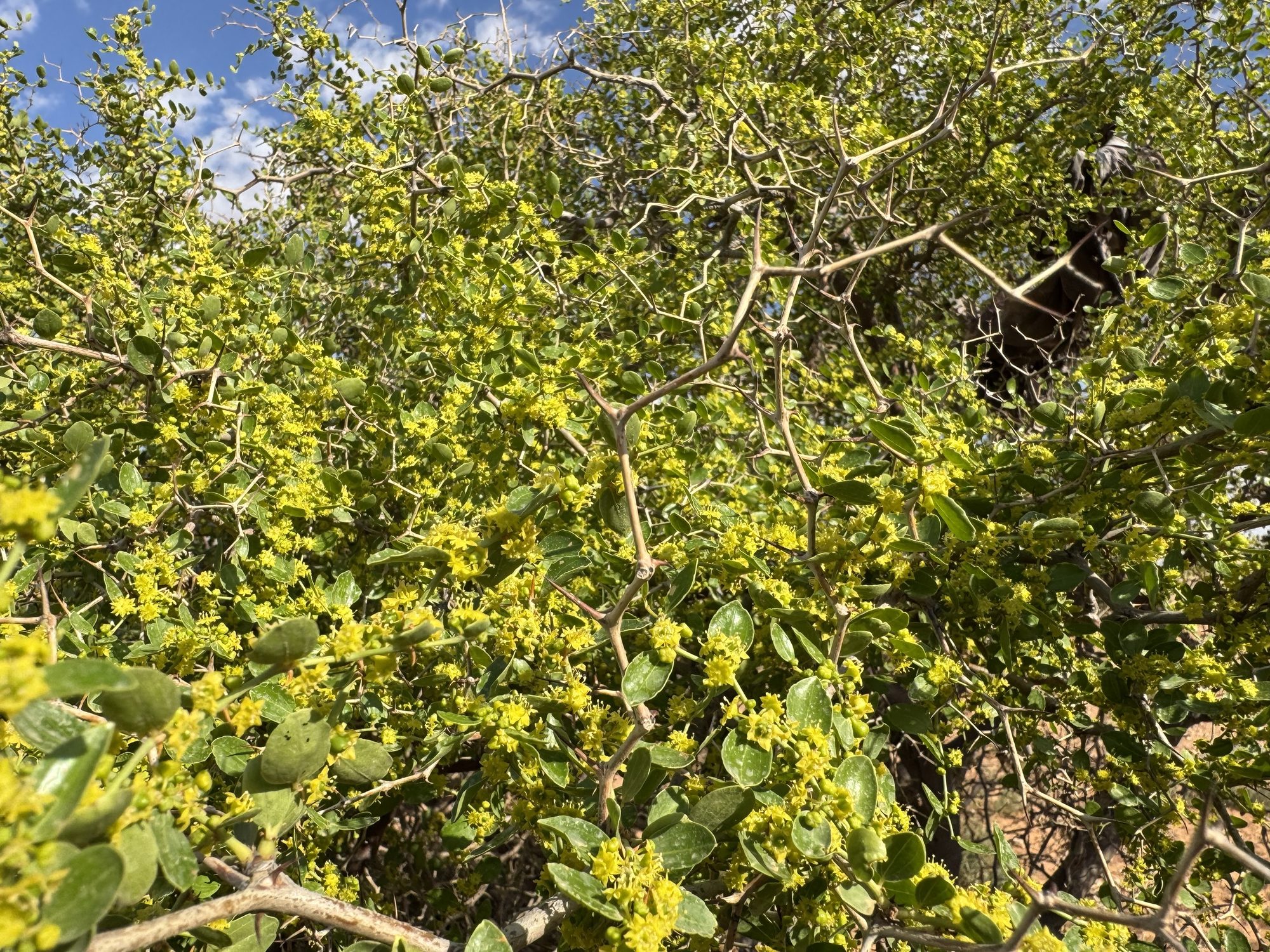
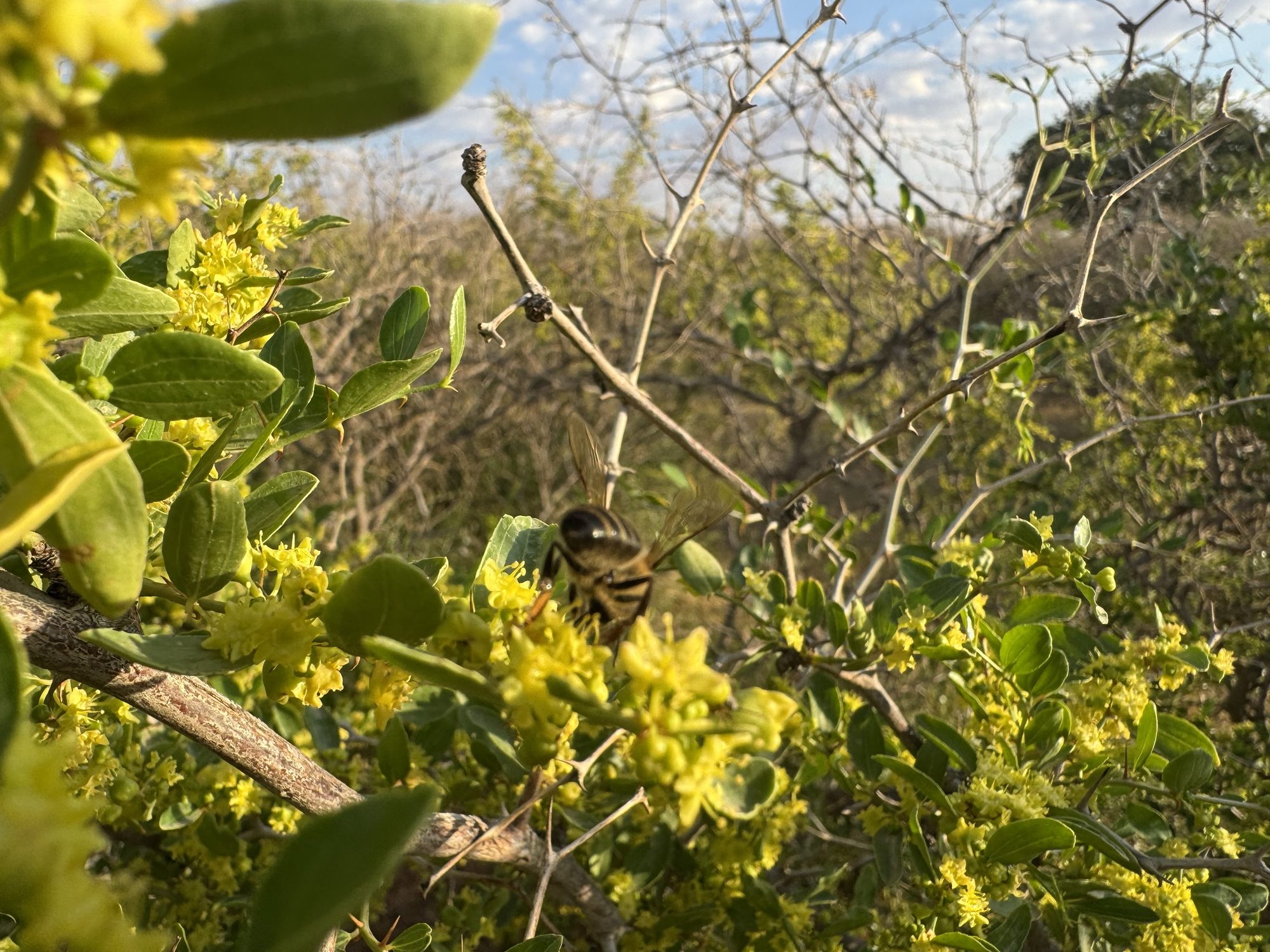
Sidr is the honey of the jujube tree. The name refers to the tree, not to a style, a region or a grade.
The tree grows where little else survives. Its bloom is short, its yield is low, and neither can be increased by working harder.
That is the whole economic problem of sidr, and the reason so much of what is sold under the name is something else. A pollen analysis settles the question in a day. Almost no one runs one.
02 / The problem
No scale, no defence.
Manuka became a category because someone published the number that lets a buyer compare. Sidr never had one.
Without a published measurement, a buyer has only the seller's word, the price, and the story on the label. All three are easy to produce.
This is not a complaint about the market. It is the reason this house publishes a sheet per lot, including the lines that do not flatter us. A scale that cannot give Nabseed itself a poor mark is not a scale, it is an argument in disguise.
03 / Crystallisation
The one test you can run at home.
Sidr sets. A honey that stays perfectly clear on a shelf has usually been treated to stay that way.
Crystallisation is not a fault and it is not a sign of age. It is what raw honey does. Heating prevents it, and heating is exactly what a high HMF reading exposes later.
It is the only marker on our list that you can verify yourself, in your own kitchen, without taking our word for anything.

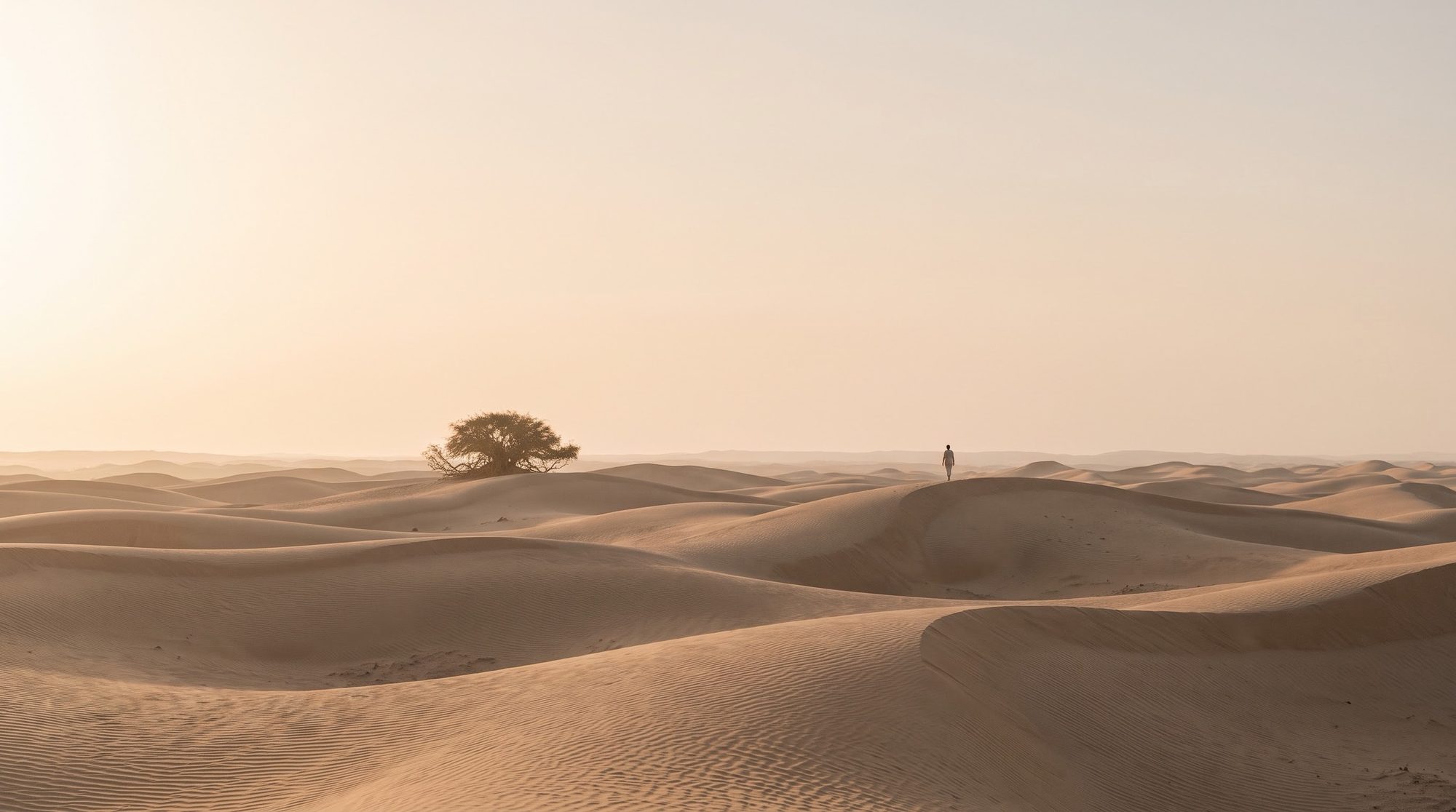
We are drawn to what stands on its own,
comes from somewhere real,
and leaves
something behind worth keeping.